
What Is Pigmentation?
Pigmentation refers to the darkening of areas of the skin. It occurs when excess melanin is produced and deposited unevenly, creating patches or spots that appear darker than your natural skin tone.
Your skin’s response to pigmentation is largely influenced by your natural skin tone and how it reacts to ultraviolet (UV) exposure.
The Fitzpatrick Scale and Skin Tone
Skin tones are commonly classified using the Fitzpatrick scale, which ranges from 1 to 6, with 1 being the palest and 6 the darkest.
Melanin is the natural pigment responsible for the colour of your skin, hair and eyes. It is produced by cells called melanocytes, found in the deeper layers of the skin.
All skin types have a similar number of melanocytes. The difference lies in how melanin is distributed:
- Darker skin tones produce and deposit more pigment in the upper layers of the skin
- Lighter skin tones deposit more pigment deeper within the skin, making it less visible
The more melanin your skin produces, the more natural protection you have against UV radiation.
Ancestry and Skin Tone
Skin tone is closely linked to ancestry and geography.
Populations living closer to the equator evolved darker skin tones to protect against intense UV exposure. Those living further away developed lighter skin to support vitamin D absorption in areas with lower sunlight levels.
Modern Lifestyle and Pigmentation Risk
Today, people often live in climates very different from those of their ancestry.
If you have fair skin and live in a high UV environment, your risk of pigmentation, sun damage and premature ageing increases significantly. This is particularly relevant in countries with strong UV exposure.
However, all skin tones can experience pigmentation. While darker skin may burn less easily, cumulative sun exposure can still lead to:
- Hyperpigmentation
- Uneven skin tone
- Premature ageing
- Skin cancer
This is why daily sun protection is essential for every skin type.
Can Pigmentation Be Treated?
Treating pigmentation can be challenging. While skincare can improve its appearance, it is often difficult to remove completely with home-care products alone.
To help manage pigmentation:
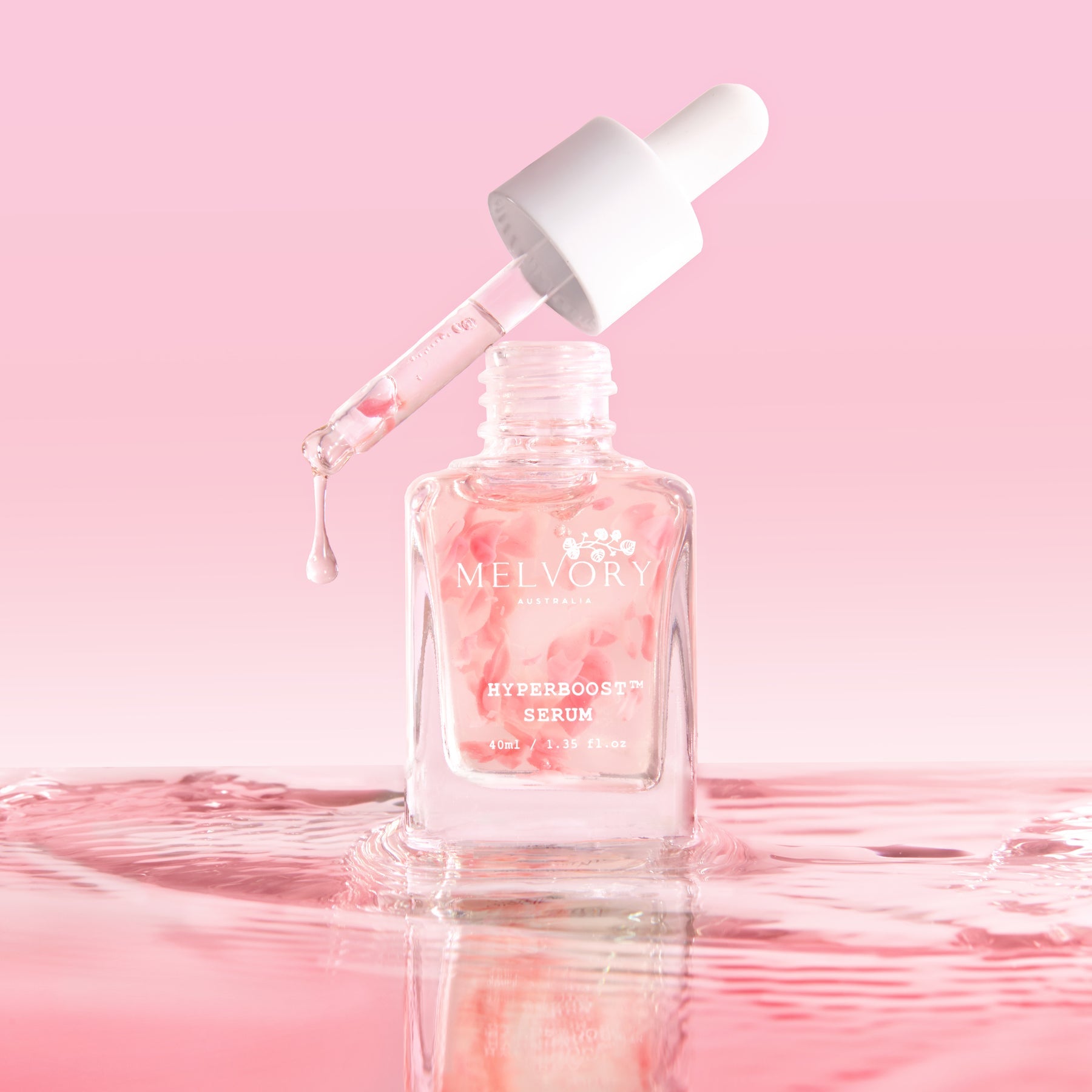
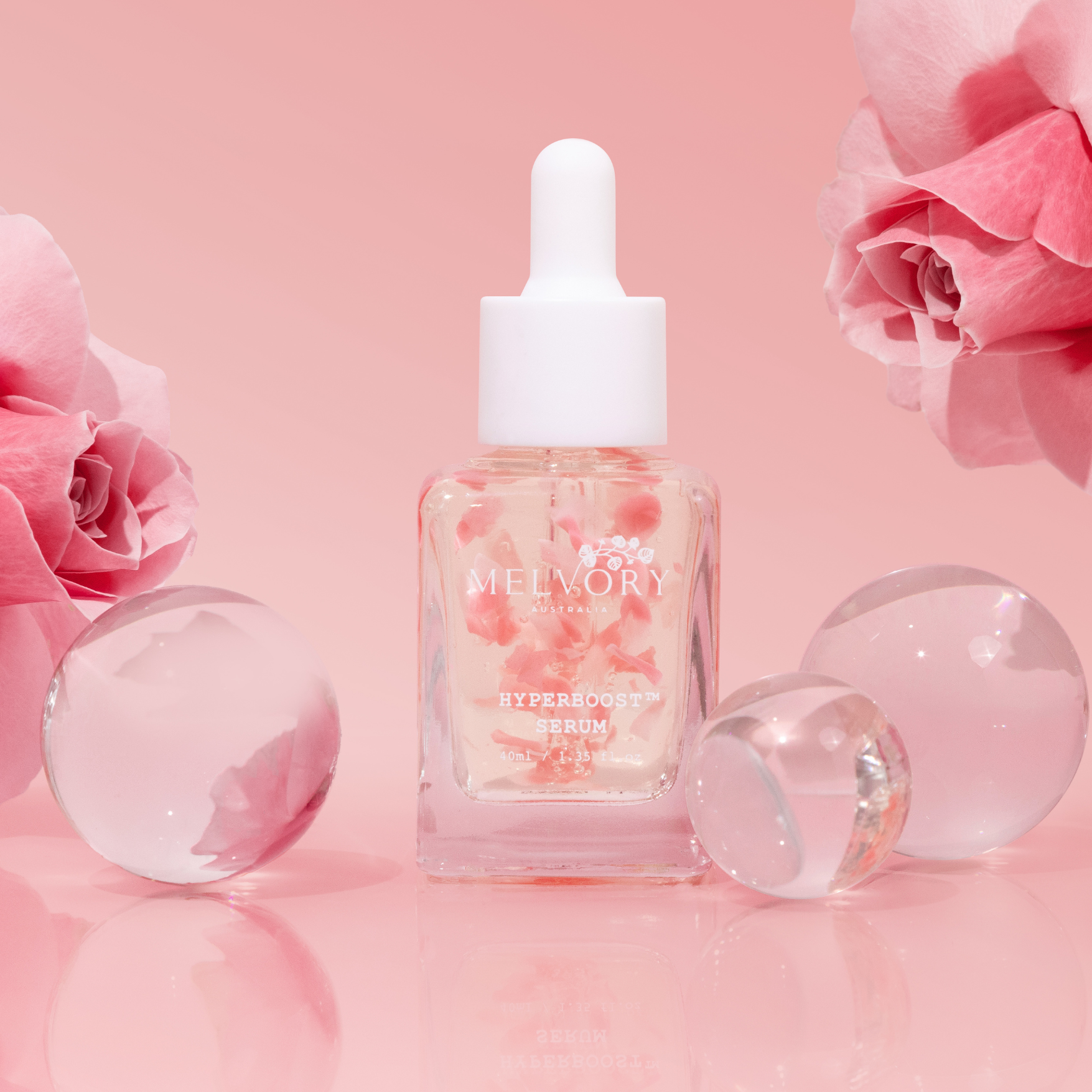
- Use targeted treatment serums
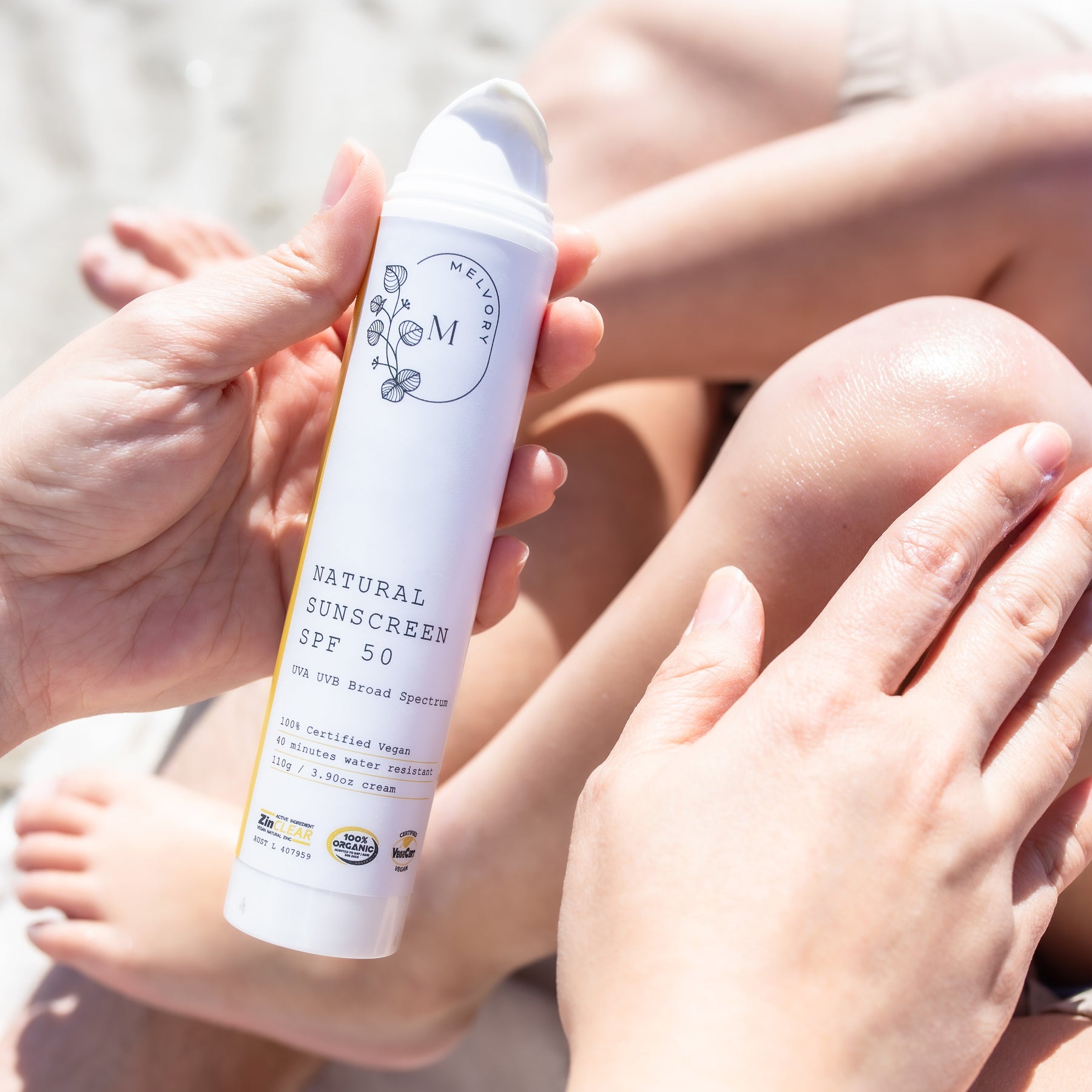
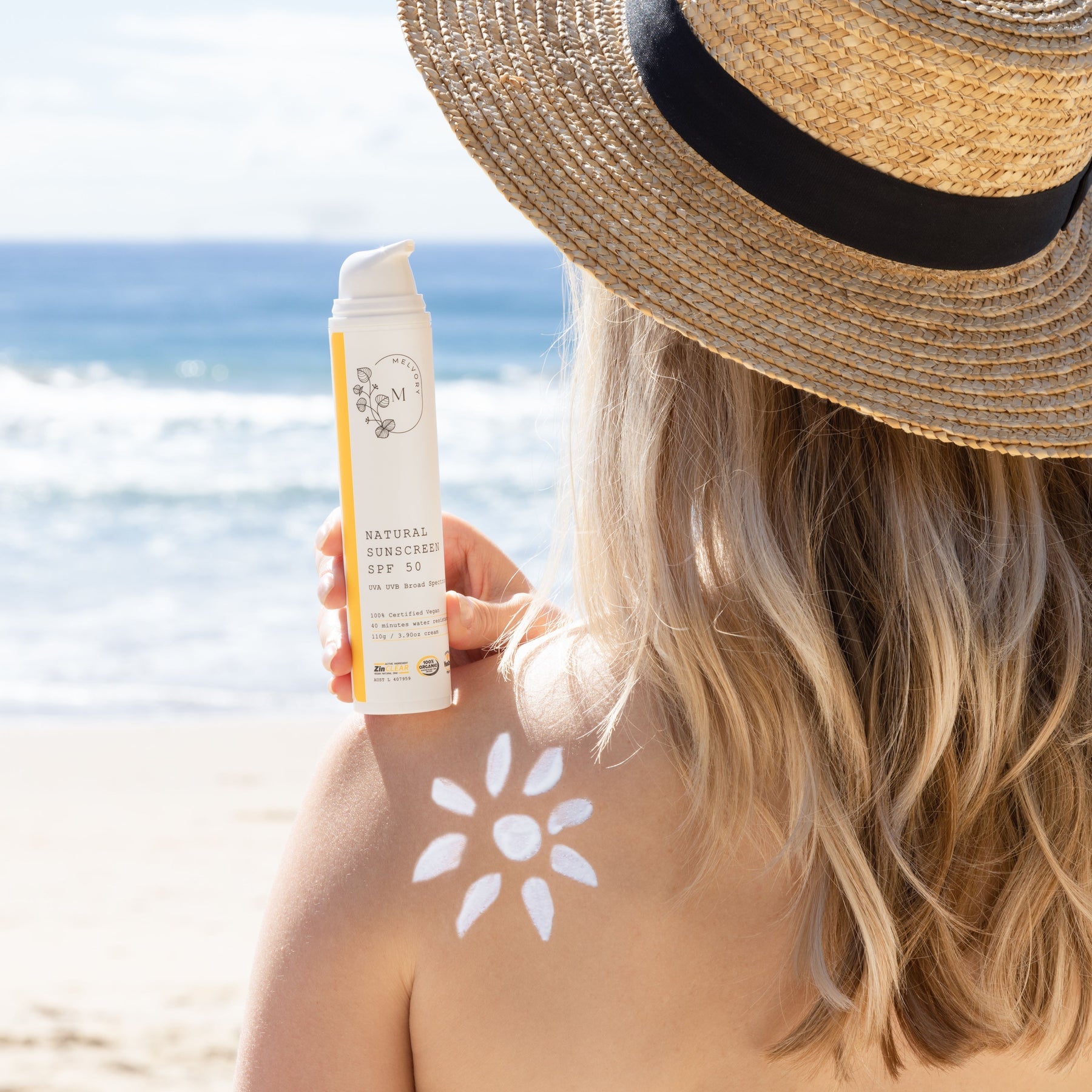
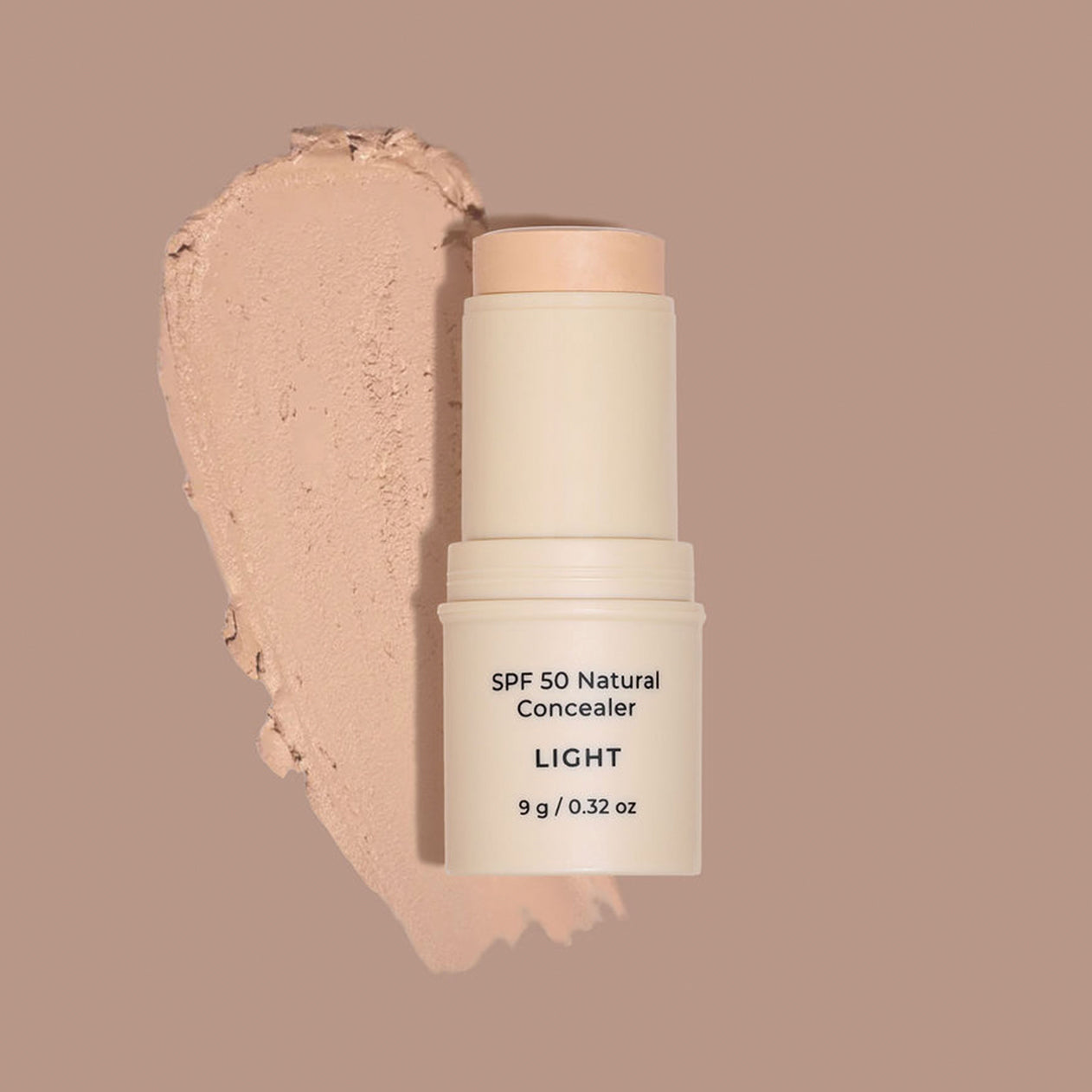
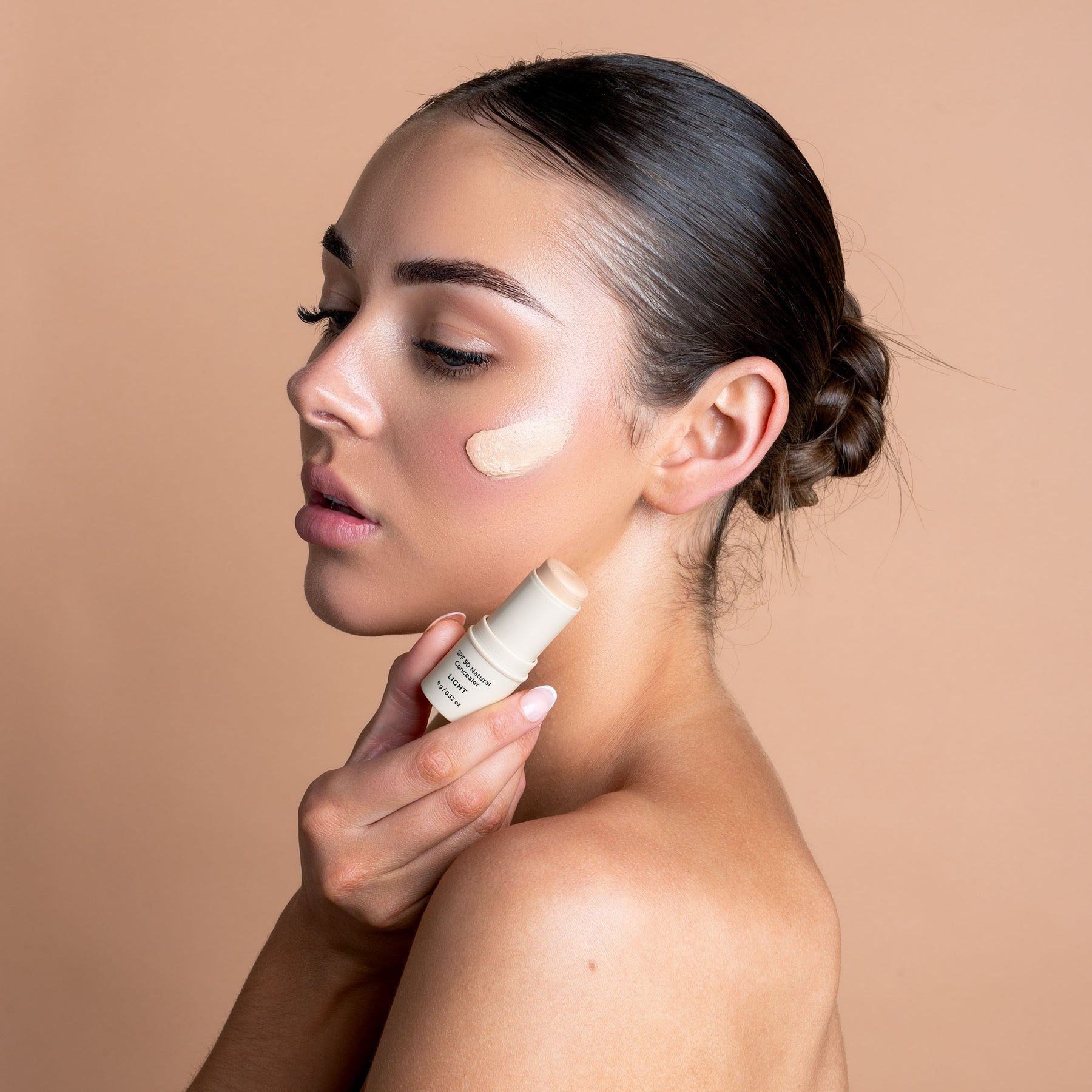
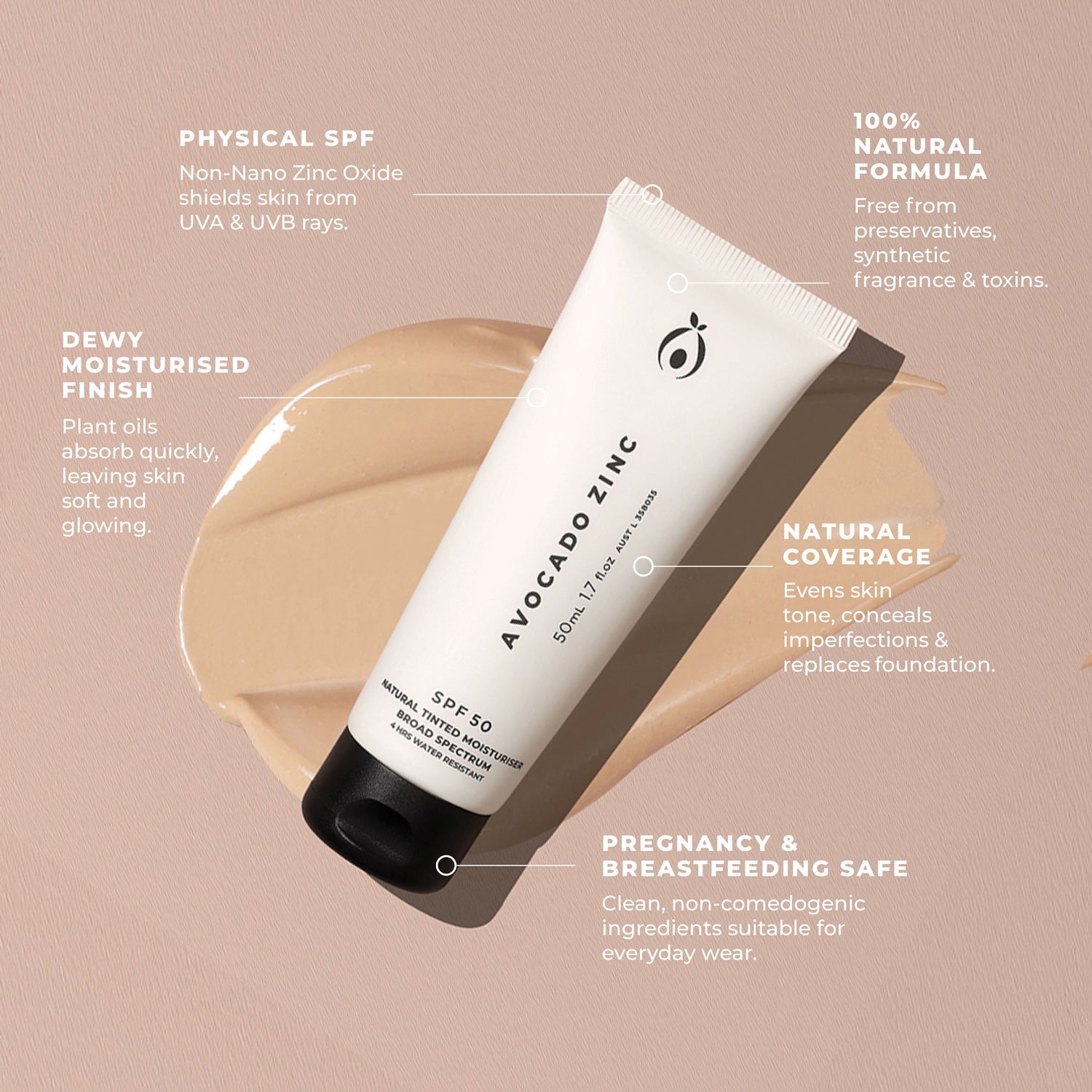
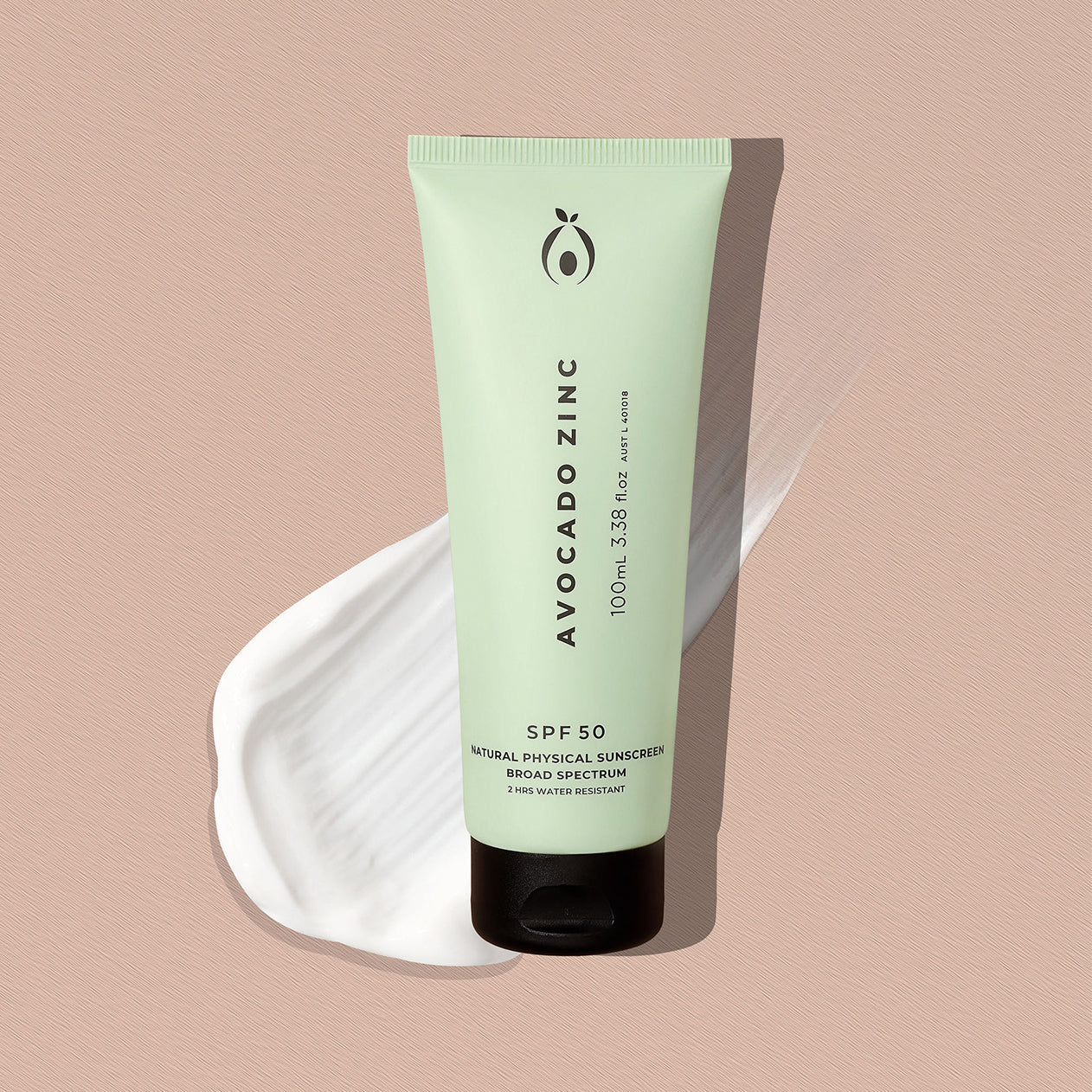
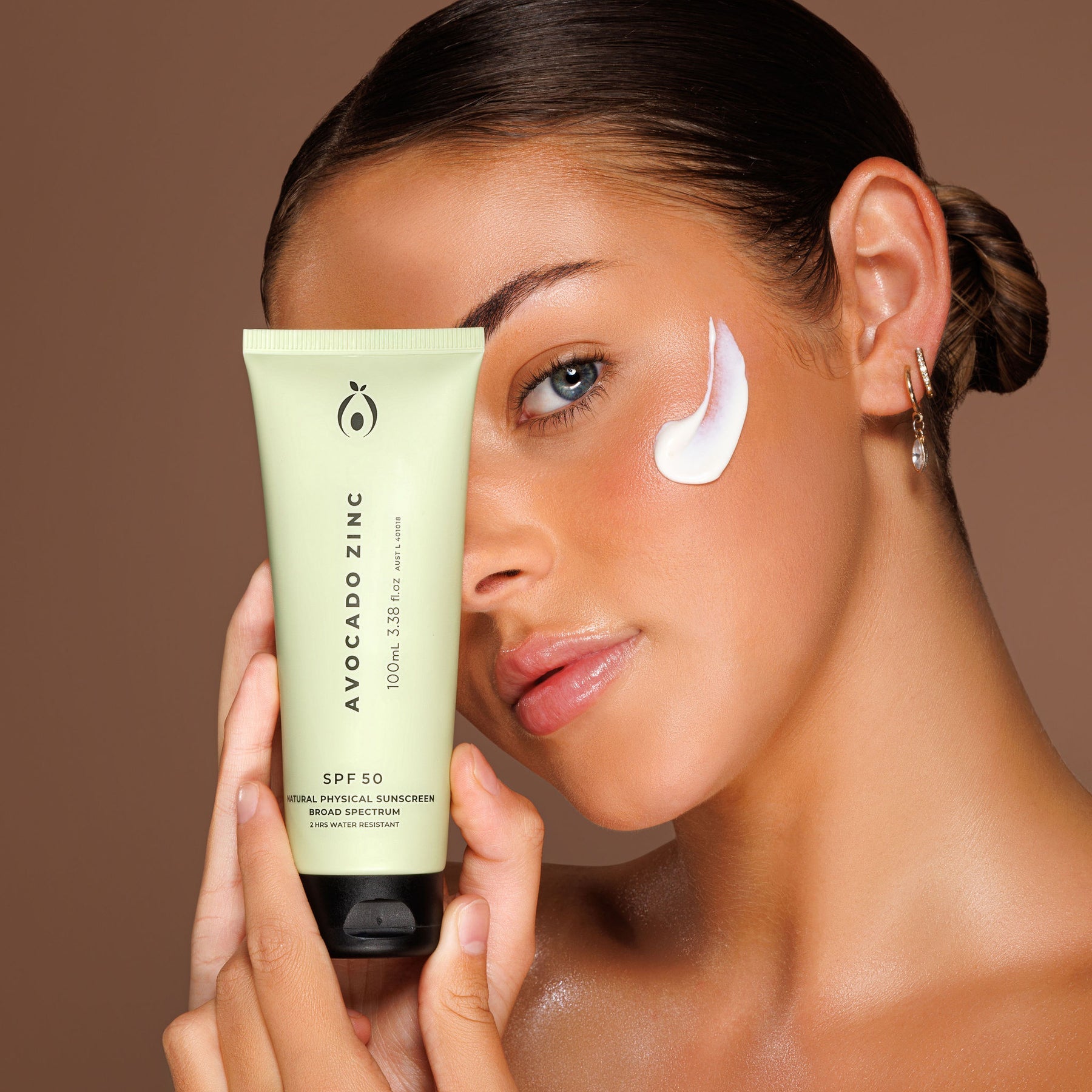
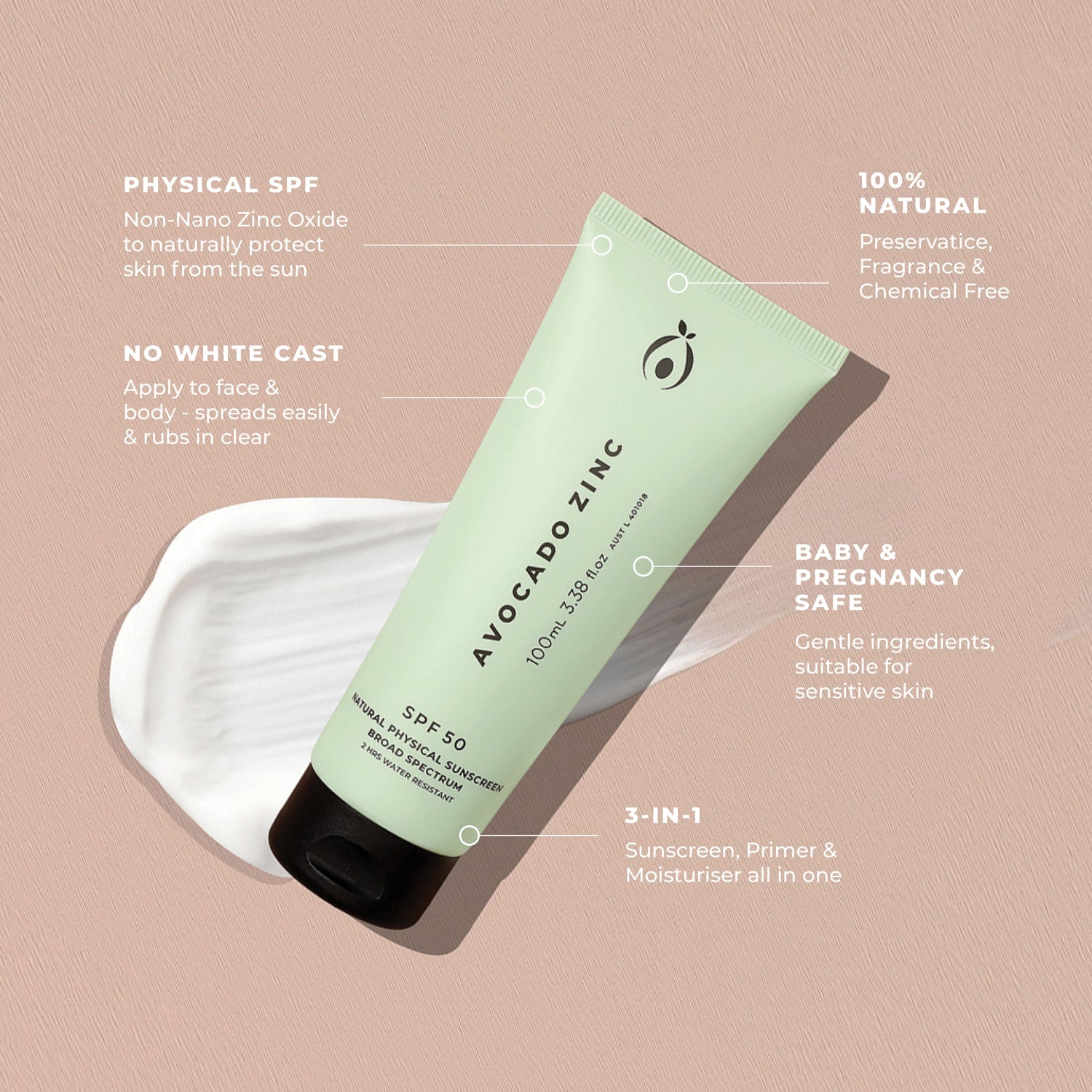
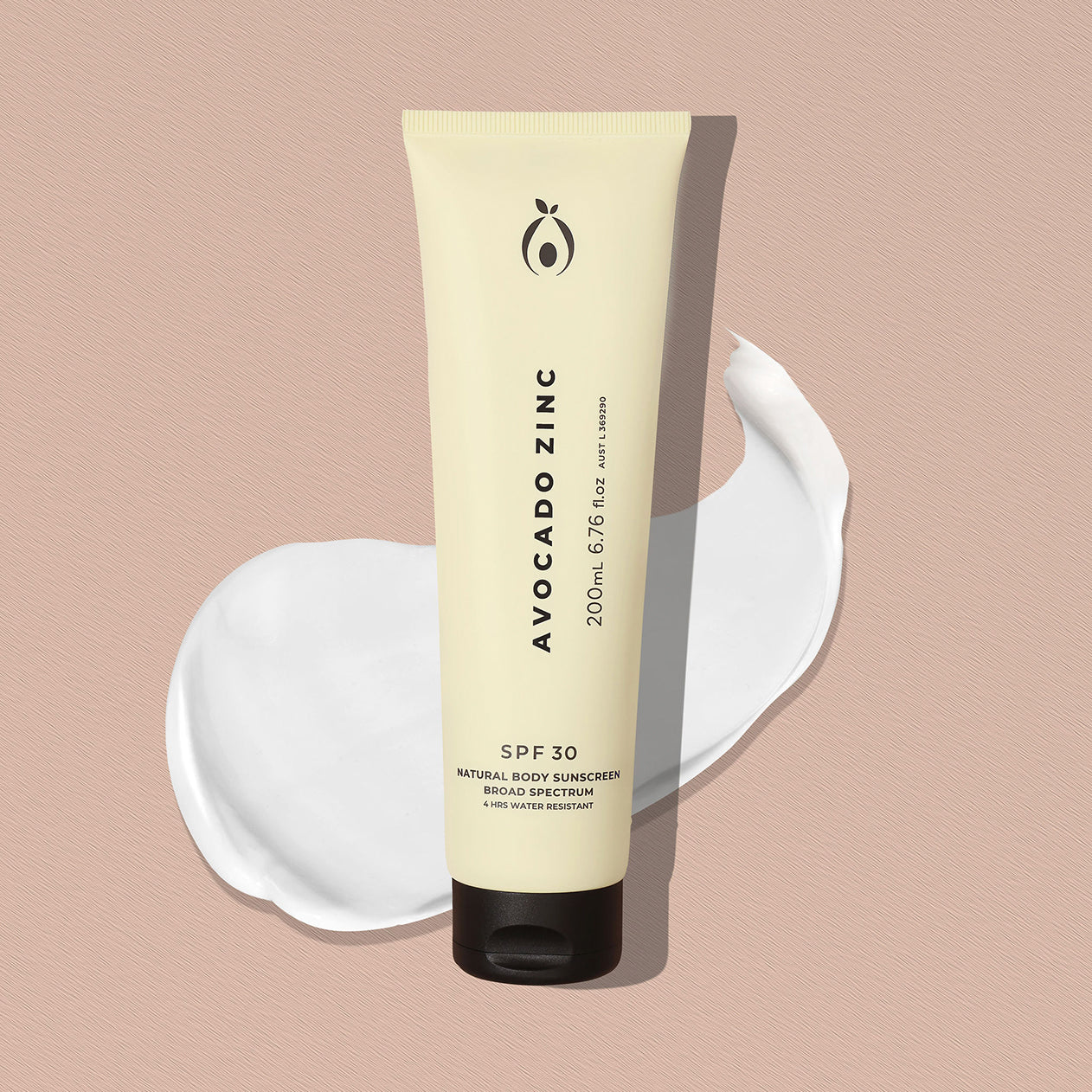
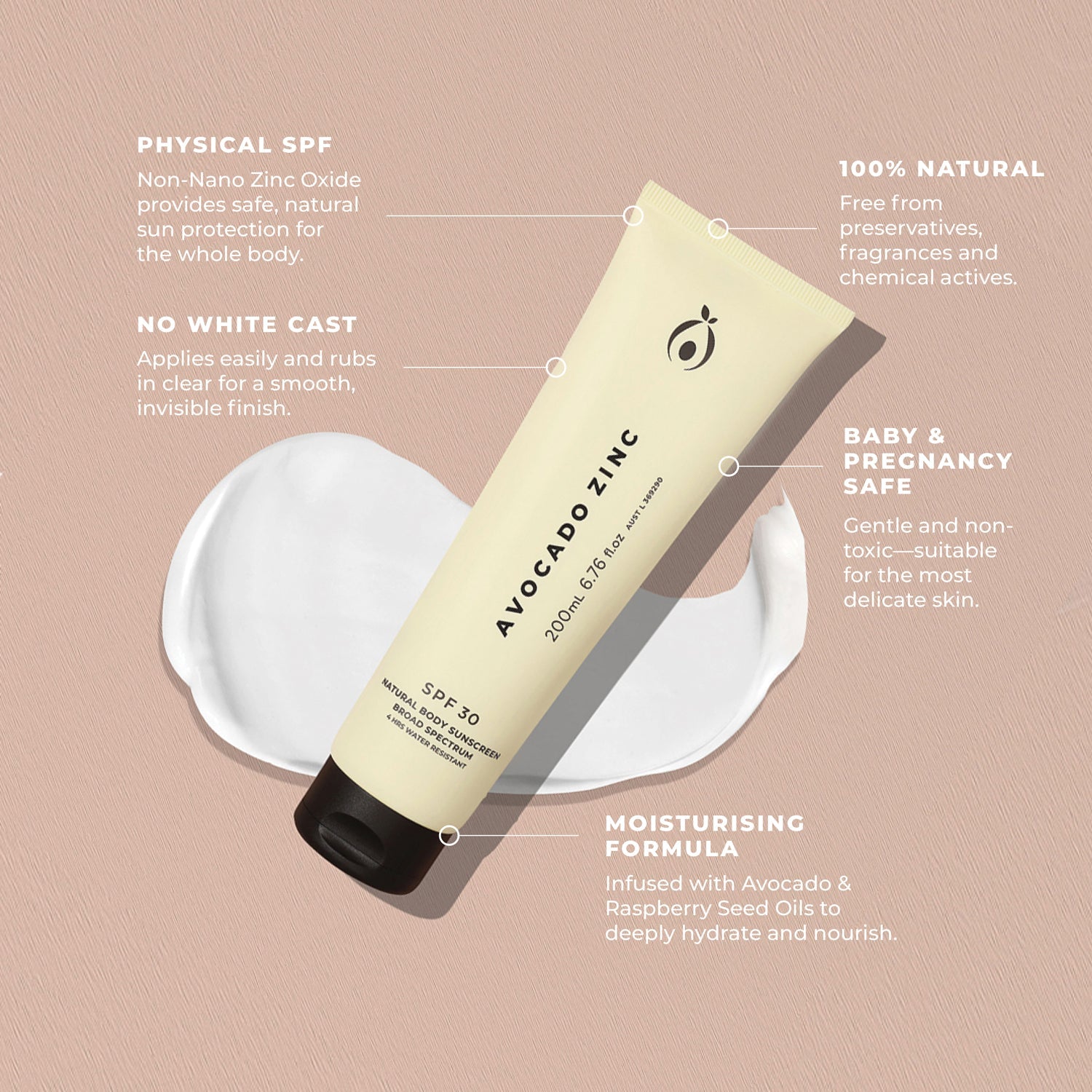
- Apply daily sunscreen to prevent further darkening
Key ingredients that support brighter, more even-looking skin include:
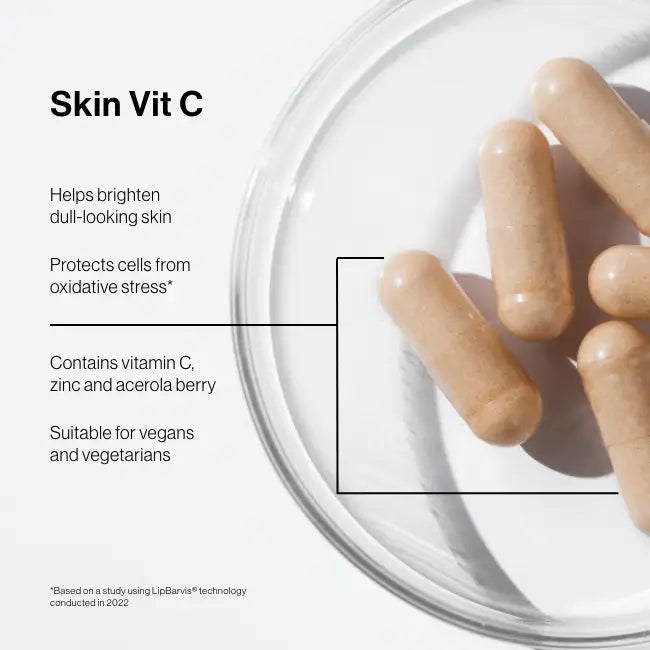
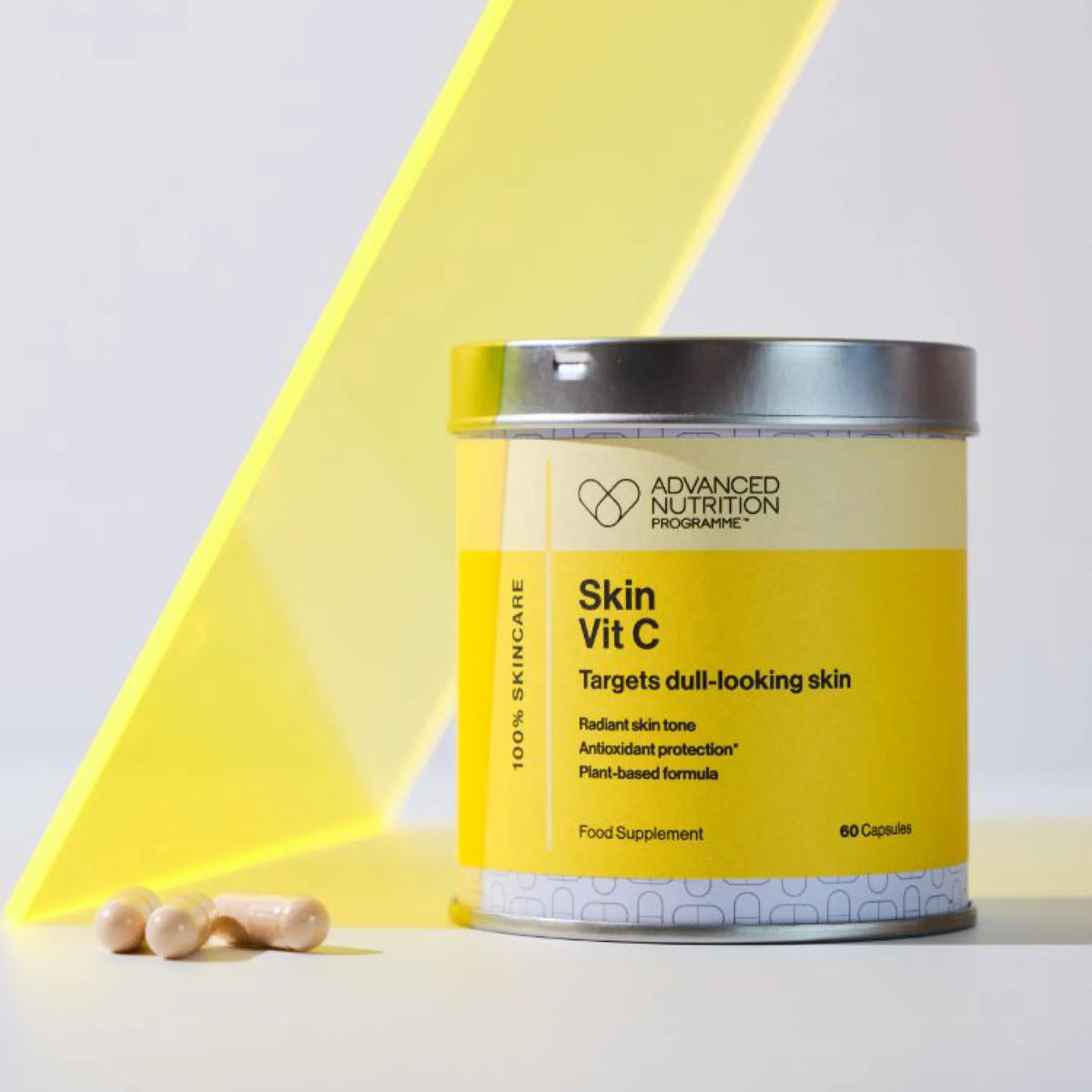
- Vitamin C
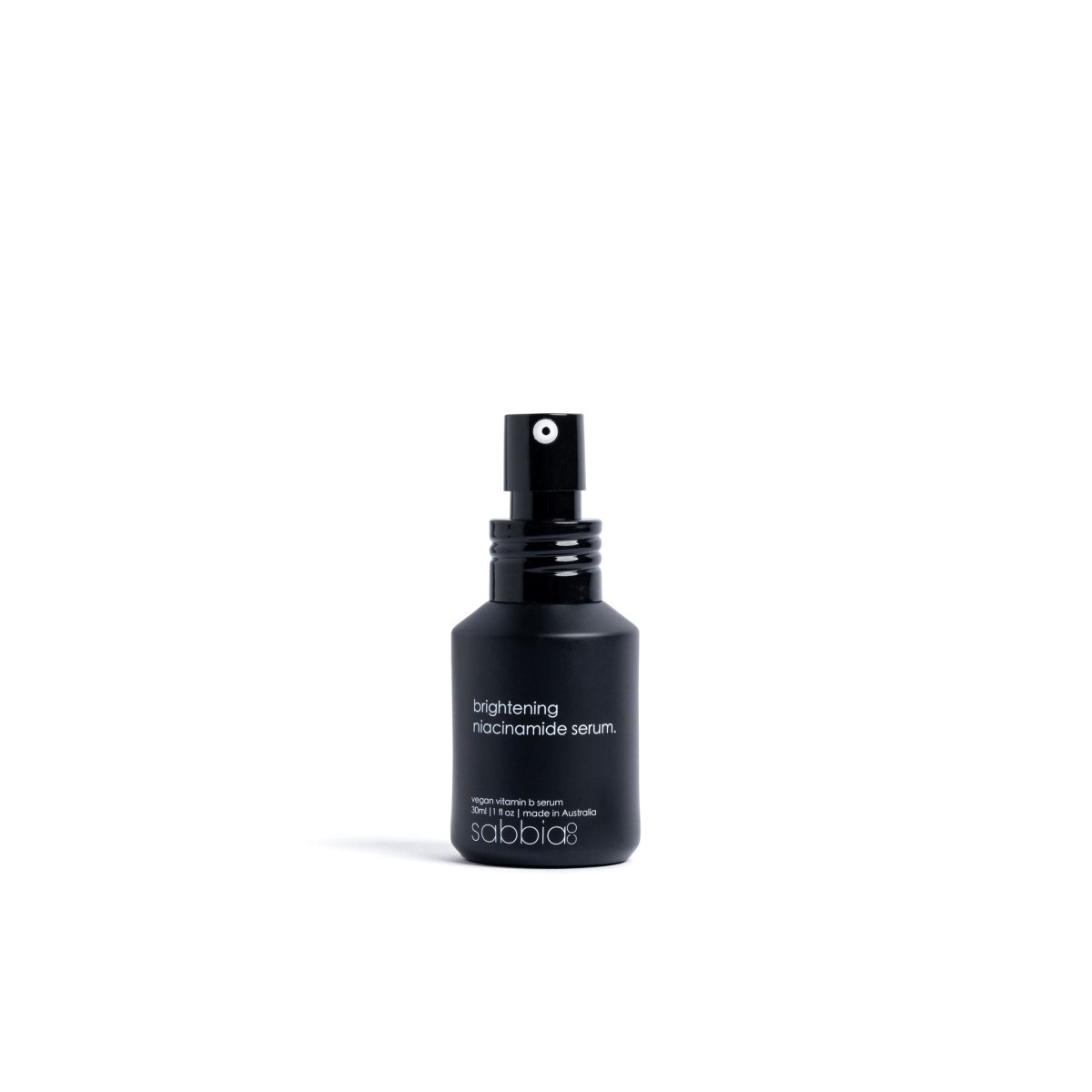
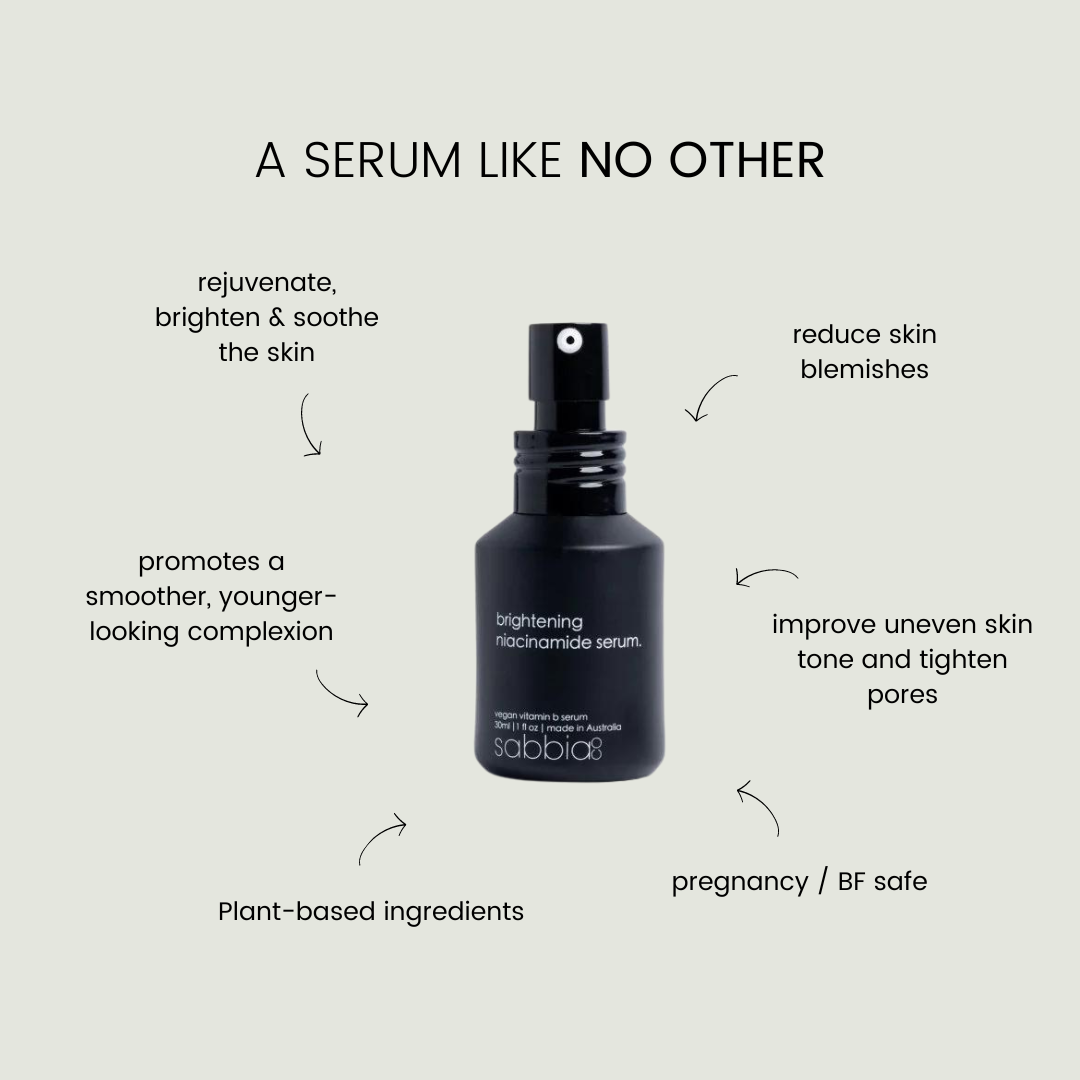
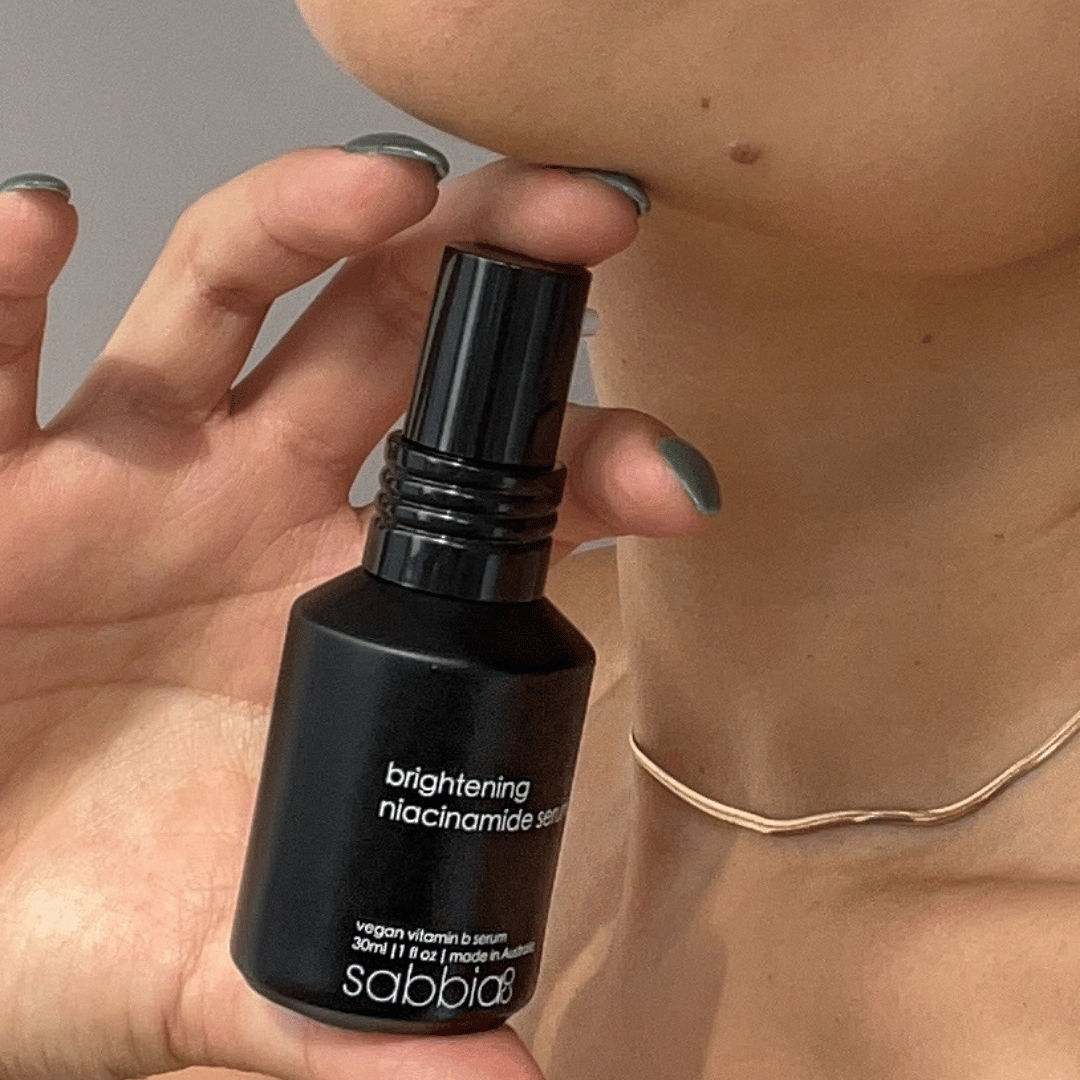
- Niacinamide
- Liquorice root extract
These ingredients help to reduce the appearance of pigmentation and support a more even skin tone.
Professional Treatments for Pigmentation
For more stubborn pigmentation, professional treatments may be required. These can include:
- Chemical peels such as Cosmelan
- IPL (intense pulsed light)
- Laser treatments
- Prescription creams
It’s important to note that pigmentation can return, particularly if it is linked to hormonal changes. Seeking advice from a qualified professional or doctor can help identify any underlying causes.
A Balanced Approach to Pigmentation
Professional treatments are not suitable for everyone, as they can be costly, invasive or not aligned with a low-toxin approach.
A more sustainable approach is to focus on:
- Brightening and protective ingredients
- Consistent daily sun protection
- Supporting overall skin health
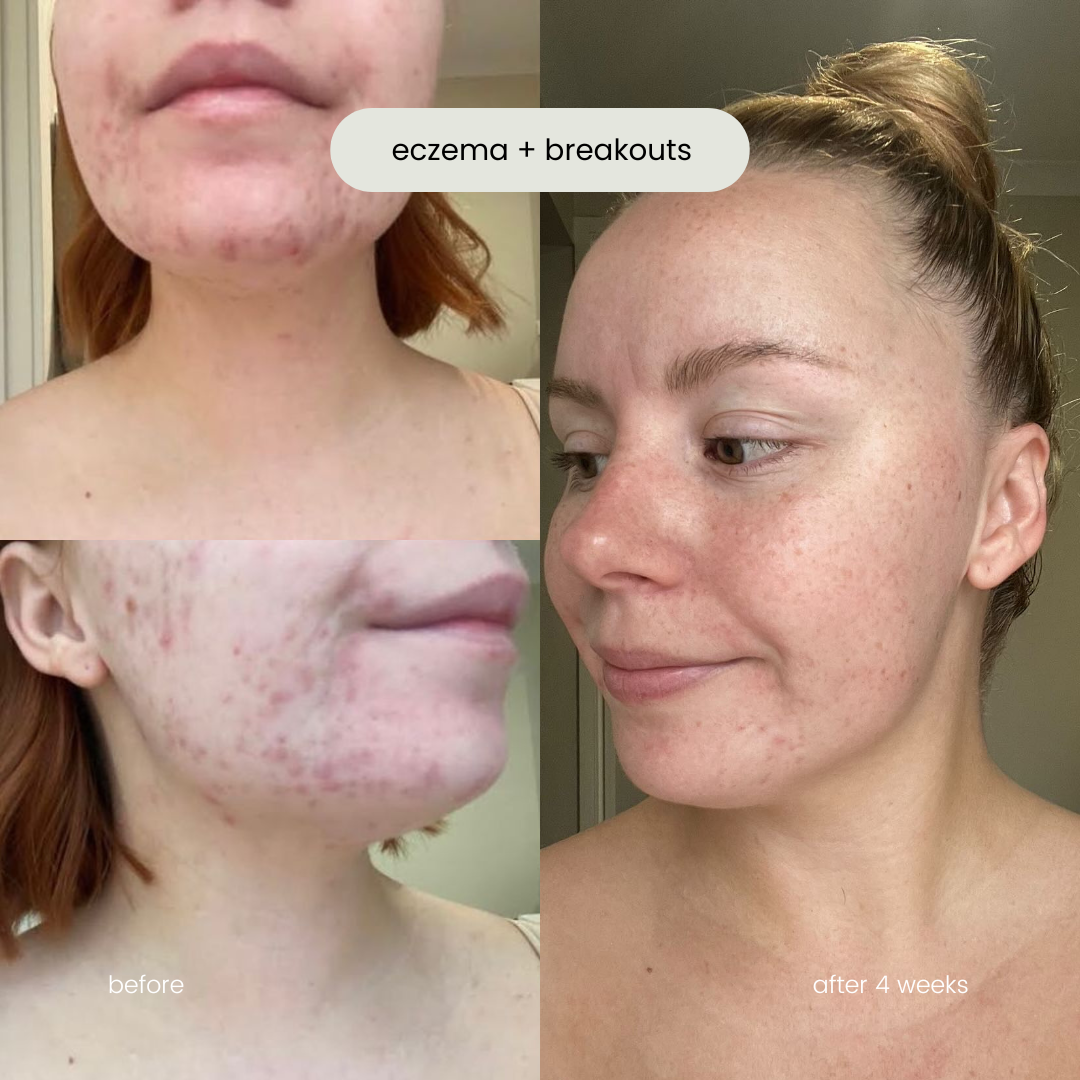
Improving your skin’s overall condition can make pigmentation appear less noticeable. Addressing concerns such as hydration, texture, redness or breakouts often has a significant impact on how your skin looks and feels.
Supporting Your Skin Long-Term
The more you understand your skin type and concerns, the easier it becomes to choose products that work for you.
Taking a consistent, informed approach will always deliver better long-term results than chasing quick fixes.
Choosing Clean, Sustainable Skincare
With so many skincare options available, choosing clean, well-formulated products is key.
Look for products that:
- Use high-quality, non-toxic ingredients
- Support the skin barrier
- Are ethically and sustainably produced
Being mindful of ingredients and formulation helps protect both your skin and the environment.
Final Thoughts
Pigmentation is a common and often complex skin concern. While it can be managed and improved, prevention and consistency are key.
With the right approach, you can support a clearer, more even and healthy-looking complexion over time.